
Stay cool and save energy by keeping these eight things you should never keep near your ac unit or floor vents. During the summer months – which last longer each year – many people run their air conditioning units at full power all day every day. Cool air is not only useful in terms of comfort during the summer months – it can actually prevent some serious damage that can occur from excessive heat and humidity levels. For maximum efficiency, it is essential that you do not block the air conditioning unit, whether it is a window unit or a regular wall or floor vent.
Like all other interior features, allowing optimal conditions when running your HVAC system is the key to its proper functioning. Blocking the air conditioning unit can reduce efficiency, lead to uneven distribution of cool air throughout the room, and cause the HVAC system to work harder – resulting in significantly higher energy bills. To ensure you stay cool while conserving as much energy as possible, check out this checklist of eight things you shouldn’t place near your air conditioning unit.
Large Furniture: Unique Option For Energy Conservation
Whether you have a window unit or regular floor or wall vents, make sure they are unobstructed so cool air can pass through your space. Don’t place large furniture like armchairs in front of or above the vents, and keep the space in front of the window unit clear. Other bulky pieces of furniture you should avoid placing near or directly in front of the air conditioning unit include sofas, bookshelves, cabinets, and headboards.
Stoves and Ovens: Safe Option Needs To Be Considered
Appliances like stoves and ovens release a lot of heat when they’re being used and when they’re cooling down. To prevent your air conditioning unit from overworking and impacting your energy bill, keep your stove and oven away from the unit.
House Plants: Eco-friendly Feature

Keep houseplants at least three feet away from air vents, as the direct stream of cool air can negatively impact their health, growth, and appearance. Since many potted plants thrive in warm and humid environments, cold air, especially when blowing on them, can dehydrate plants and cause leaves to wilt, wither, dry out, or change color.
Any Electronics: Hazardous Option
It may seem like it’s not a big deal, but electronic devices like televisions or gaming consoles give off heat, which can affect the temperature in your home. Keep these electronics away from the air conditioning unit to ensure that it doesn’t have to work extra hard to keep up with the heat emitted by these devices.
Area Rugs: Resisting Damage To Structure

If your air conditioning runs through floor vents, make sure you don’t cover them with area rugs or runners. Not only can this damage the structure of the rug, but it also prevents cool air from entering the room at full force and speed, causing the unit to work harder, which in turn consumes more energy.
Curtains

Wall and floor vents are often located near or below windows so you can create a functional furniture layout in the room. While this is beneficial because you don’t block the vents with furniture or area rugs, you need to take window treatments into account. If you plan to hang floor-length curtain panels, especially if you choose the “puddle look” where the curtains pool at the floor, take care that they don’t block any air conditioning vents to allow for maximum airflow.
Dryer
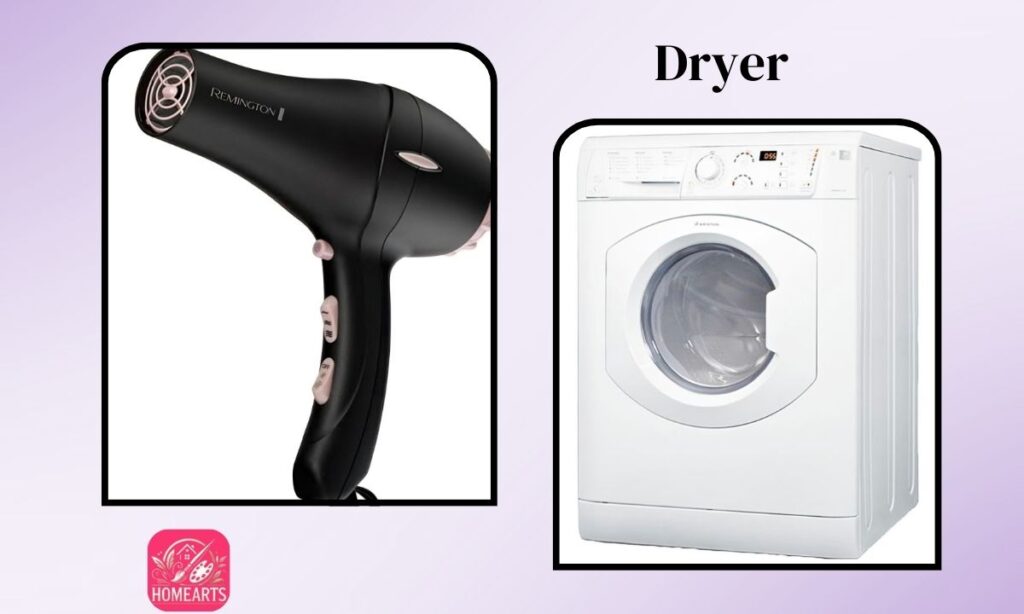
Whether you have an air conditioning unit or a regular vent in your laundry room, avoid placing the dryer directly next to it. A dryer emits heat that can make the room feel hotter and cause the HVAC unit to work overtime to keep the temperature in the room down.
Trees and Shrubs

When it comes to the outdoor air conditioning unit, leave enough space around it so it can function properly. While you may want to hide this outdoor utility for aesthetic purposes – which is fine – make sure you leave enough space around it to prevent any problems. Avoid planting trees and shrubs right next to the air conditioning unit so that roots and branches don’t start growing around and underneath it and hinder its efficiency.